This past weekend, we celebrated the Reformation. Reformation Day, which is actually today, October 31st, gives us the chance to pause, and reflect not only on our heritage, but to think forward, and to wonder about how God continues to work in the world and in our lives today. In 1517, Martin Luther nailed his 95 Theses to the door of the Castle Church in Wittenberg, igniting a movement that would eventually reshape the religious, cultural, and political landscape of Europe and beyond.
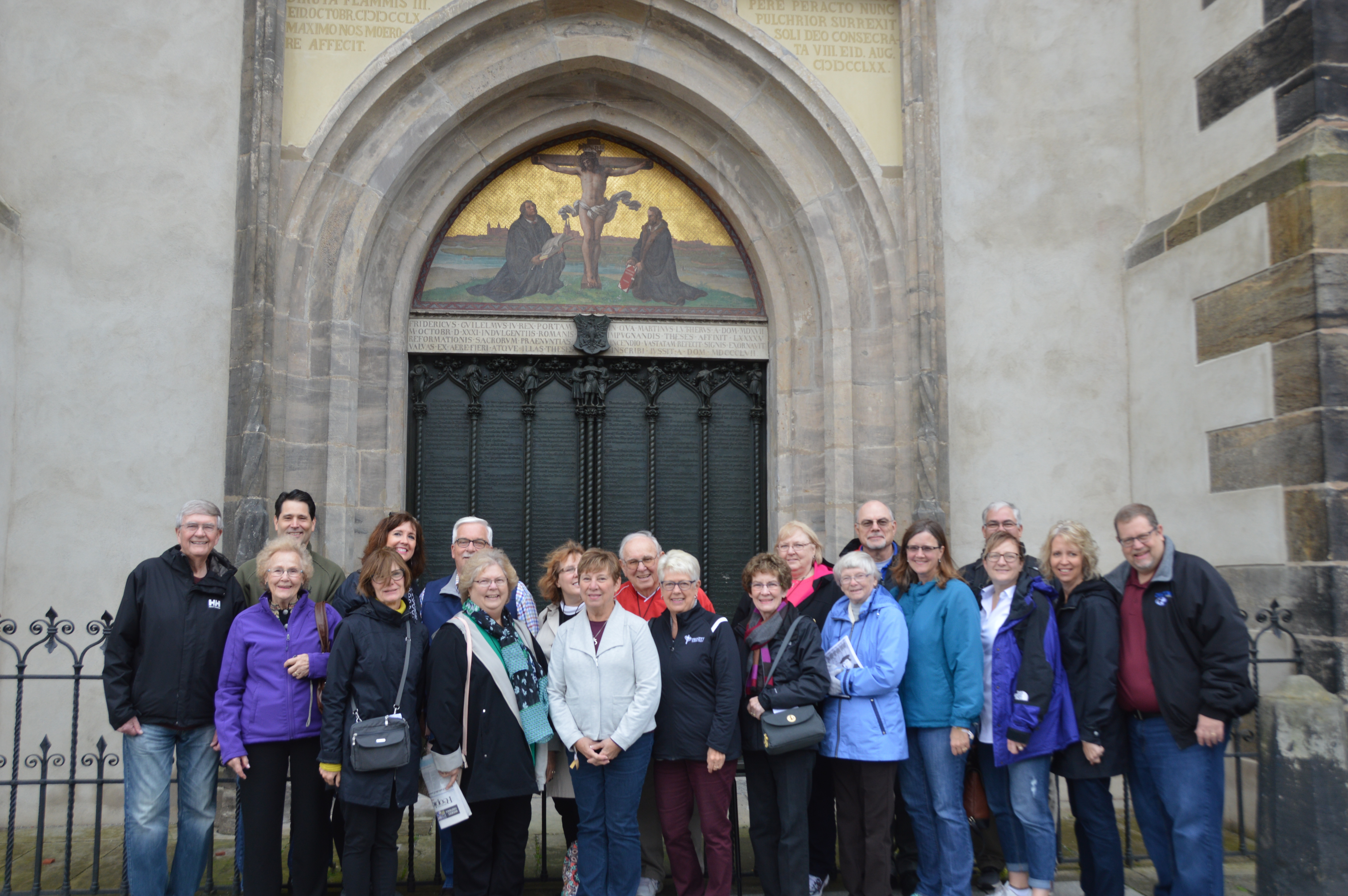
The core ideas of the Reformation, often summed up as Sola Scriptura (Scripture Alone), Sola Fide (Faith Alone), and Sola Gratia (Grace Alone), were revolutionary in their simplicity. Luther’s courageous act of challenging the established Church doctrines and practices of his time aimed to steer Christianity back to its scriptural roots, emphasizing the direct relationship between the believer and God.
So if anyone is in Christ, there is a new creation: everything old has passed away; look, new things have come into being!
2 Corinthians 5:17
However, the significance of the Reformation goes way beyond our theology. It was the early catalyst for how knowledge and wisdom was shared. The invention of the printing press around the same period helped spread Luther’s ideas at a pace the world had never seen before, eventually leading to greater literacy rates, as people were inspired to read the Bible for themselves. This, in turn, led to a ripple effect of intellectual awakening and helped pave the way for the Enlightenment.
At the same time, we have to be honest, and recognize that the Reformation was not without its dark moments. It led to schisms, religious wars, and even persecution. The fracturing of the Church into various denominations has had both enriching and polarizing effects on Christianity. Therefore, Reformation Day serves as an occasion to remember the progress made, but also to be mindful of the lessons to be learned from our shared history.
Today, the spirit of the Reformation continues to ask us to question, reflect, and engage deeply with our faith. It encourages an ongoing dialogue between tradition and contemporary understanding, always with the aim of helping us become who God created us to be. We are people of reformation, and we remember that God continues the work of reforming our church, our world, and our very hearts. May Reformation Day be a reminder of the enduring power of faith to shape, challenge, and uplift.
So, today we celebrate Reformation Day. And we will do so with gratitude for the clarity it provided and with a resolve to continually reform, in line with the core scriptural principles that guide our lives.
God’s peace!
Pastor Todd
 Test Driving Theology